

Categories
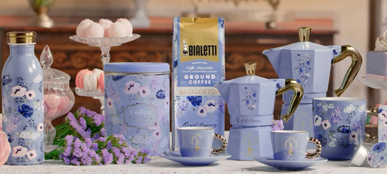
BIALETTI BRIDGERTON COLLECTION
Delfino Battista - Cantabrian anchovies in olive oil, 50g
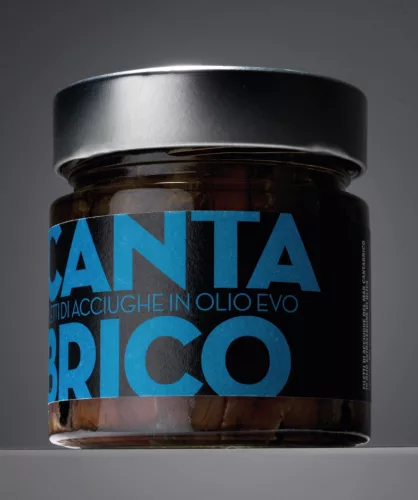
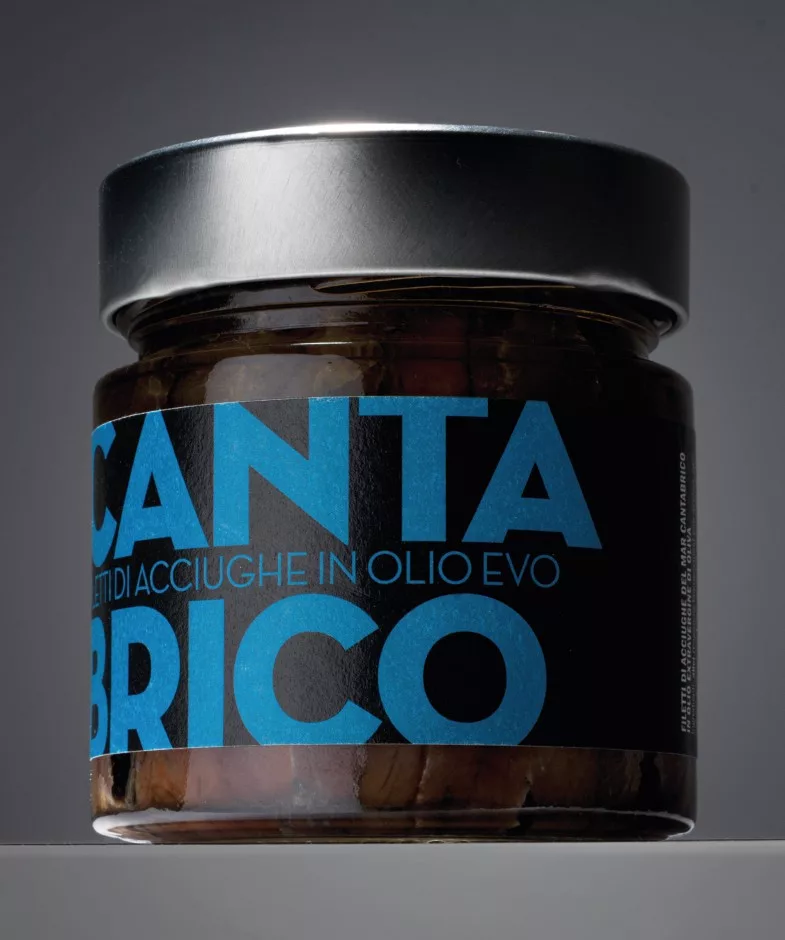
Premium Cantabrian anchovy fillets preserved in olive oil
Carefully selected for their exceptional size and superior texture, these anchovies offer a rich, meaty bite with a perfectly balanced yet intense flavour profile.
The distinctive character of Cantabrian anchovies comes from the cool, nutrient-rich waters of the Cantabrian Sea, which give the fish its delicate yet fleshy texture and remarkably deep umami flavour. Their exceptional quality is further enhanced by the traditional artisan “soba” processing method, introduced to the Cantabrian coast generations ago by Neapolitan and Sicilian fish processors who settled in the region.
Prepared using time-honoured artisan techniques, each fillet delivers uncompromising gastronomic quality and authentic Mediterranean character. Perfect for antipasti platters, fresh bread, salads, or as a sophisticated ingredient in gourmet cuisine.
6 200 Ft
Unit price: 26 383 Ft/kg
Out of stock
Details
Cantabrian anchovies, or Anchoas de Cantabria, are premium wild-caught anchovies sourced from the cool waters of the Cantabrian Sea, particularly the Bay of Biscay near San Sebastián. Fished during the peak season from March to June, they are carefully filleted by hand and traditionally cured in brine before being preserved in olive oil for several months to develop their distinctive depth of flavour and delicate texture.
The art of salt-curing fish in Europe dates back to the Phoenicians and was later refined by the Romans and other Mediterranean cultures over centuries. In Catalonia, archaeological evidence suggests that the ancient port of Empúries, in present-day Girona province, was already a centre for salt preservation when founded by the Greeks around 500 BCE. By the 19th and 20th centuries, the craft had become closely associated with the village of L’Escala, which remains renowned today for some of the finest Mediterranean anchovies.
In northern Spain, however, a different anchovy tradition emerged. During the late 19th century, Italian fish processors travelled to the Cantabrian coast in search of superior anchovy stocks. Many settled in fishing towns such as Santoña, where the abundance and quality of the local catch inspired a flourishing curing industry. Among them was Giovanni Vella Scatagliota, whose influence transformed the reputation of the anchovy forever. By meticulously hand-cleaning each fillet to remove skin and bones, then preserving it in olive oil, he elevated the humble anchovy from a fisherman’s bait fish to a refined delicacy.
Today, Cantabrian anchovies are celebrated in fine dining restaurants around the world and featured in a wide range of creative dishes. At Buono.hu, however, we believe the finest way to enjoy them is also the simplest: served on a slice of quality sourdough bread with rich butter, allowing the anchovy’s deep umami flavour and silky texture to truly shine.
Data
Manufacturer:
Delfino Battista
Package:
235g
Country of origin:
Italy
Place of origin:
Campania
Videó
Bundle offers
Reviews
Be the first to write a review!
Similar products