

Categories
BIALETTI BRIDGERTON COLLECTION
Buono Spaghetti alla Chitarra (square cut), 500g
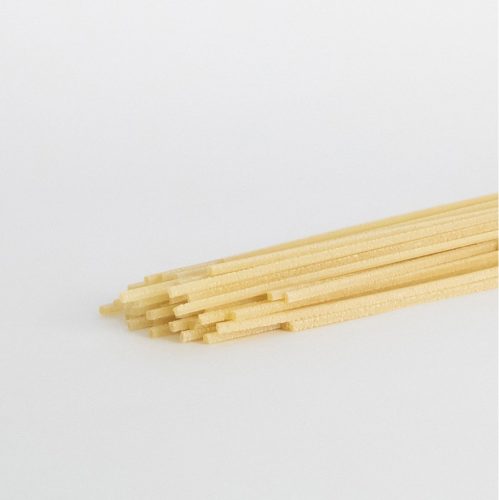
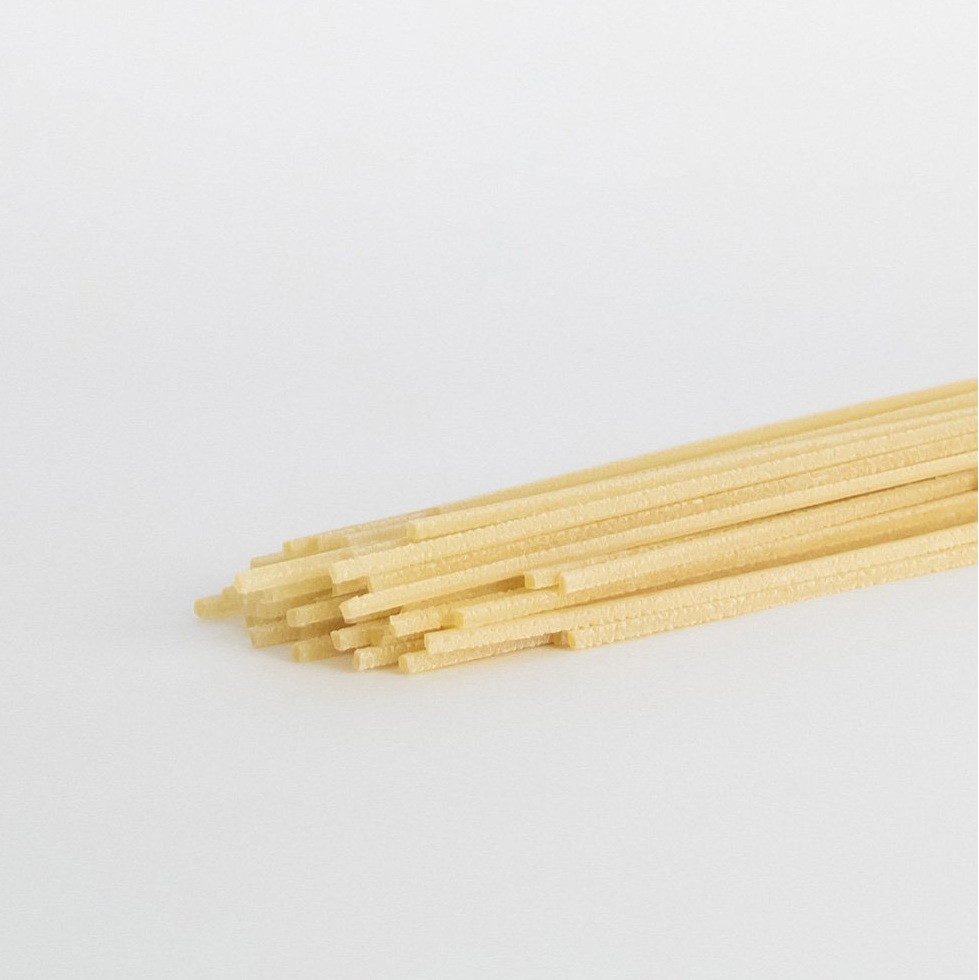
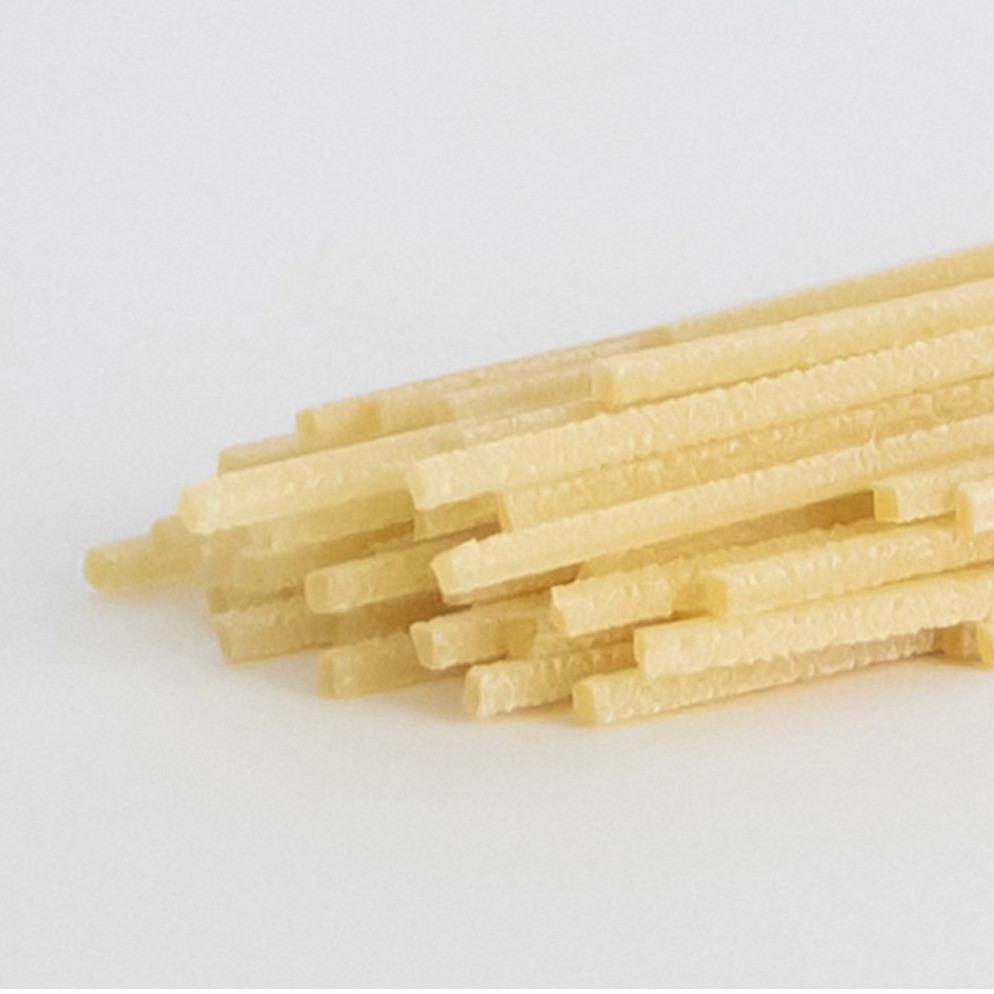
The chitarra was most likely invented in 1890 in the Abruzzo province of Chieti. The word means guitar and the reason for this is the piece of equipment used to make this pasta. The chitarra is a rectangular wooden frame with parallel wires running across it from top to bottom. The rolled out pasta dough is placed on the chitarra and pushed through the wires by rolling a rolling pin over the top of the dough. Pasta makers in Abruzzo release the pasta strands from the wires by ‘playing’ them as they would a stringed instrument! The resulting pasta looks like square spaghetti and has a porous texture. In Abruzzo, maccheroni alla chitarra is typically eaten with a mixed meat ragu which includes lamb and tomato sauce seasoned with peperoncino or a lamb ragu with sweet peppers or with tomato sauce and tiny veal meatballs called pallottine.
1 700 Ft
Unit price: 3 400 Ft/kg
Out of stock
Details
Pasta can be found in the culinary traditions of almost every country where wheat is grown. Humanity has been making pasta since discovering the mixture of flour and water and of course its various use
Data
Manufacturer:
D'Amicis
Package:
500
Country of origin:
Italy
Group size:
long
Flour:
Durum
Cooking time (min.):
10-12
Egg content:
without egg
Nutrition facts
| Nutritional values for 100g of product | |
| Energy | 1389 kJ/332 kcal |
| Total Fat | 0,4g |
| Saturated Fat | 0g |
| Total Carbohydrate | 68,1g |
| Sugar | 1,7g |
| Fiber | 3,2g |
| Protein | 14,33g |
| Salt | 0,03g |
Tips for pasta cooking
100 grams of pasta = 1 liter of salty water
Premium quality pasta doesn't need oil in the water, it is enough to stir the boiling pasta a couple of times in the first 2 minutes.
- heat up the water in a tall pot, especially if you cook long pasta, then add salt
- put the pasta in the boiling water, lower the heat when it starts to boil again
- cook until the recommended time, then taste it to see if it is the texture what you wish for
- drain it, do not rinse, just mix with any sauce and serve
- for pasta salads cool it down under cold water
Bundle offers
Reviews
Be the first to write a review!
Similar products